Minnesota Radon Awareness Act Explained In HelloNation, Featuring Radon Expert Mitch Kelley
PR Newswire
MANKATO, Minn., March 18, 2026
MANKATO, Minn., March 18, 2026 /PRNewswire/ -- The article outlines radon disclosure requirements and testing considerations for home buyers and home sellers in Minnesota real estate transactions.
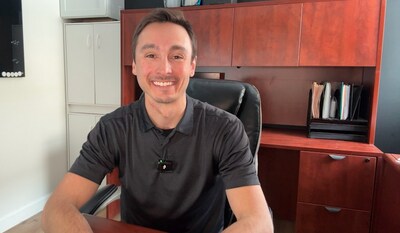
What should home buyers and home sellers understand about the Minnesota Radon Awareness Act before closing on a property? In a HelloNation article, the requirements and practical implications of the law are clearly explained, offering guidance for those involved in a Minnesota real estate transaction.
The HelloNation article examines how the Minnesota Radon Awareness Act is designed to ensure transparency during residential property sales. The law does not require mandatory radon testing in every case, but it does require radon disclosure when radon levels are known or when prior radon testing has been conducted. This distinction is important for both home buyers and home sellers who want to remain compliant and avoid complications.
The article explains that sellers must provide specific information regarding radon risks, including any previous radon test results. This disclosure is typically made through a standardized state form provided during the real estate transaction. According to the article, proper radon disclosure supports informed decision-making and reduces the risk of future disputes.
Radon is described in the article as a naturally occurring radioactive gas that can accumulate in basements and lower levels of homes. Because it is colorless and odorless, it cannot be detected without proper radon testing. Long-term exposure to elevated radon levels increases the risk of lung cancer, making awareness and evaluation a health consideration as well as a legal one.
Although radon testing is not mandatory under the Minnesota Radon Awareness Act, the article notes that many home buyers choose to conduct professional testing before finalizing a purchase. Certified professionals can complete testing within 48 to 72 hours, providing reliable measurements that help buyers assess radon risks and determine whether mitigation may be necessary.
The HelloNation article also addresses seller responsibilities beyond simply completing paperwork. Even when radon levels are low or within acceptable ranges, disclosure is still required if prior testing has occurred. Failing to provide accurate radon disclosure may expose home sellers to potential liability if elevated radon levels are discovered after closing.
For home buyers, the article highlights the importance of due diligence. Evaluating foundation type, home age, and previous radon testing results can provide valuable context. Consulting with knowledgeable real estate professionals can help buyers interpret disclosure documents and understand how radon risks may affect their purchase decisions.
If elevated radon levels are identified, radon mitigation becomes a consideration. The article explains that mitigation systems are typically installed in basements or beneath slab foundations and work by venting radon safely outside the home. While mitigation is not required by the Minnesota Radon Awareness Act, buyers may negotiate repairs or pricing adjustments based on radon testing results.
The article emphasizes that transparency benefits everyone involved in a real estate transaction. Home sellers who maintain organized records of past radon testing and provide timely radon disclosure demonstrate compliance and build trust. Home buyers who pursue testing gain clarity about potential radon risks before committing to a purchase.
In Minnesota, soil composition and common construction styles can contribute to elevated radon levels, particularly in homes with basements or crawl spaces. The HelloNation article notes that understanding these regional factors further underscores the importance of awareness, disclosure, and proactive evaluation.
Ultimately, the Minnesota Radon Awareness Act establishes a straightforward process. Sellers disclose known information, buyers review documentation and consider radon testing, and certified professionals address mitigation when needed. This structured approach helps protect health, legal interests, and property value while supporting smoother real estate transactions.
The Minnesota Radon Awareness Act — What Buyers and Sellers Need to Know features insights from Mitch Kelley, Radon Expert of Mankato, Minnesota, in HelloNation.
About HelloNation
HelloNation is a premier media platform that connects readers with trusted professionals and businesses across various industries. Through its innovative "edvertising" approach that blends educational content and storytelling, HelloNation delivers expert-driven articles that inform, inspire, and empower. Covering topics from home improvement and health to business strategy and lifestyle, HelloNation highlights leaders making a meaningful impact in their communities.
 View original content to download multimedia:https://www.prnewswire.com/news-releases/minnesota-radon-awareness-act-explained-in-hellonation-featuring-radon-expert-mitch-kelley-302718021.html
SOURCE HelloNation